Geothermal heating and cooling systems have become increasingly popular among Sussex County homeowners seeking energy-efficient, environmentally friendly climate control. These systems leverage the stable temperatures underground to provide consistent heating in winter and cooling in summer, often achieving 300-400% efficiency compared to traditional HVAC systems. However, like any sophisticated mechanical system, geothermal units require regular maintenance to operate at peak performance, maintain warranty coverage, and maximize their impressive 25+ year lifespan.
For Sussex County residents in Newton, Sparta, Vernon, and surrounding communities, understanding geothermal maintenance is particularly important due to our region’s distinct climate. The hard water prevalent in many Sussex County wells can affect system components, while seasonal temperature extremes test the system’s capacity. This comprehensive guide covers everything homeowners need to know about maintaining their geothermal systems, from seasonal checklists to local New Jersey incentives that can reduce maintenance costs.
The Importance of Regular Geothermal Maintenance
For reliable Furnace Repair in Lake Mohawk, NJ, contact Constant Air Service today.
Geothermal systems represent a significant investment for New Jersey homeowners, typically ranging from $20,000 to $40,000 for a complete installation. Protecting this investment through proper maintenance delivers multiple benefits:
Energy Efficiency Preservation: Geothermal systems lose approximately 1-2% efficiency annually without maintenance. For a typical Sussex County home with a 5-ton system, this translates to $75-$150 in additional annual energy costs. Regular maintenance ensures heat exchange efficiency remains near the original 400-500% (COP 4-5), delivering the maximum return on your investment.
System Longevity Extension: Properly maintained geothermal systems can last 25-30 years for the indoor components and 50+ years for the underground loop system. Neglected systems often fail in 15-20 years, requiring premature replacement of the most expensive components.
Warranty Protection: Most geothermal manufacturers require annual professional maintenance to maintain warranty coverage. Missing even one year of documented maintenance can void warranties worth thousands of dollars on compressors, heat exchangers, and other critical components.
Improved Indoor Air Quality: The air handler component of geothermal systems circulates air throughout your home. Regular maintenance includes cleaning coils, replacing filters, and checking ductwork—all of which contribute to healthier indoor air, particularly important for Sussex County residents dealing with seasonal allergies from high pollen counts.
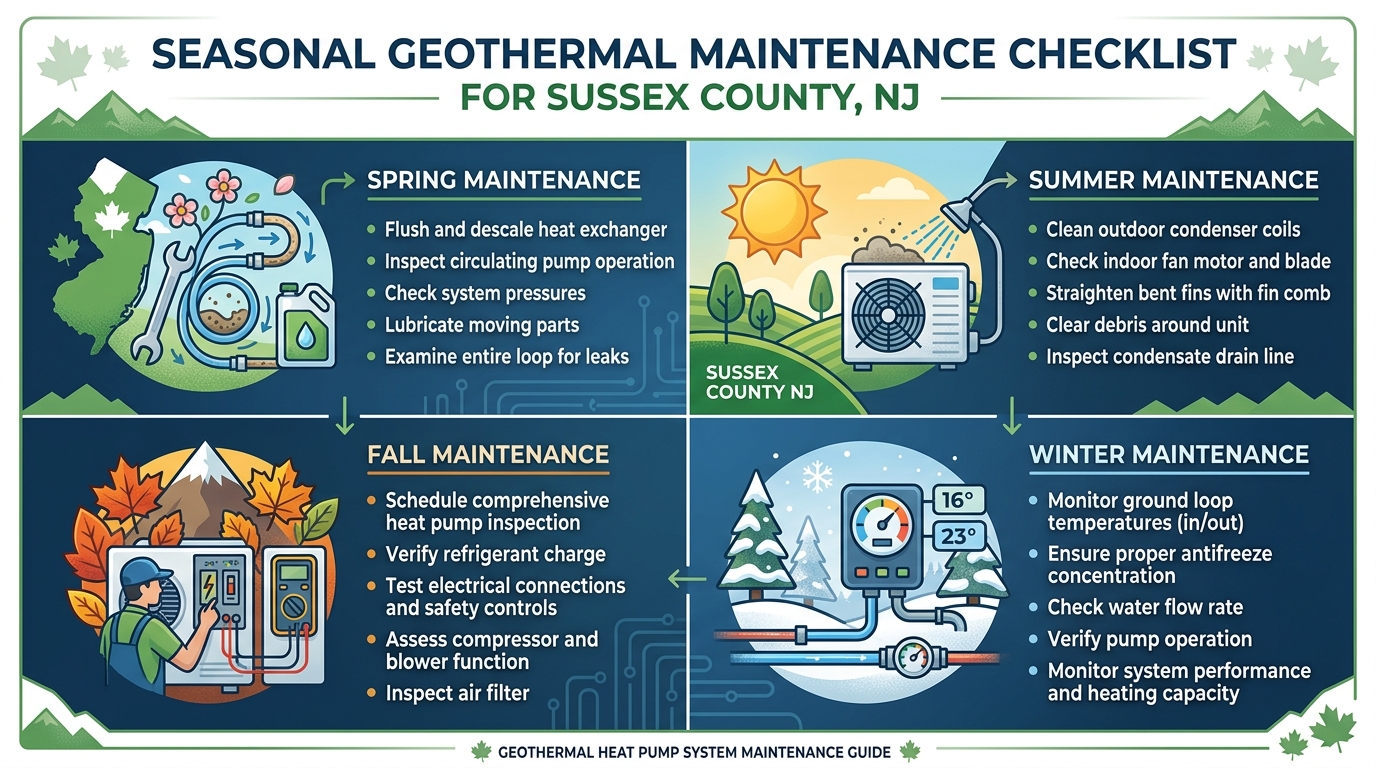
Seasonal Maintenance Checklist for Sussex County Homeowners
For reliable AC Installation in Denville, NJ, contact Constant Air Service today.
Sussex County’s four distinct seasons each present unique challenges for geothermal systems. This seasonal maintenance schedule optimizes performance year-round:
Spring Maintenance (March-May)
- Flush and Clean Loop System: Spring thaw can introduce sediment into closed-loop systems. Professional flushing removes contaminants.
- Check Antifreeze Levels: For closed-loop systems, verify proper antifreeze concentration to prevent freeze damage next winter.
- Inspect Ground Loop: Visual inspection for surface indications of loop system issues (unusual wet spots, settling).
- Test Cooling Mode: Ensure smooth transition to cooling operation before summer heat arrives.
- Clean Condensate Drain: Prevent algae buildup that can cause drainage issues during humid summer months.
Summer Maintenance (June-August)
- Clean Air Handler Coils: Improved heat exchange efficiency during peak cooling season.
- Replace Air Filters: Monthly replacement recommended during high-usage periods.
- Check Refrigerant Levels: Low refrigerant reduces cooling capacity significantly.
- Inspect Electrical Components: Summer thunderstorms can cause power surges affecting system controls.
- Test Dehumidification Function: Proper operation helps control Sussex County’s summer humidity.
Fall Maintenance (September-November)
- System Mode Transition: Professional switch from cooling to heating mode.
- Heat Pump Inspection: Verify defrost cycle operation for winter conditions.
- Check Backup Heat Source: If equipped with auxiliary electric heating, test operation.
- Duct Inspection: Seal any leaks before heating season to improve efficiency.
- Thermostat Calibration: Ensure accurate temperature readings for optimal comfort.
Winter Maintenance (December-February)
- Monitor Loop Temperatures: Ensure ground loop temperatures remain within operating range.
- Check Pipe Insulation: Prevent heat loss in above-ground piping sections.
- Inspect Snow Clearance: Keep ground loop access points clear of snow accumulation.
- Emergency Heat Test: Verify backup heating system operation for extreme cold snaps.
- Air Filter Replacement: Monthly replacement continues during heating season.
Professional vs. DIY Geothermal Maintenance
While some maintenance tasks are suitable for homeowners, others require professional expertise:
Homeowner Maintenance Tasks:
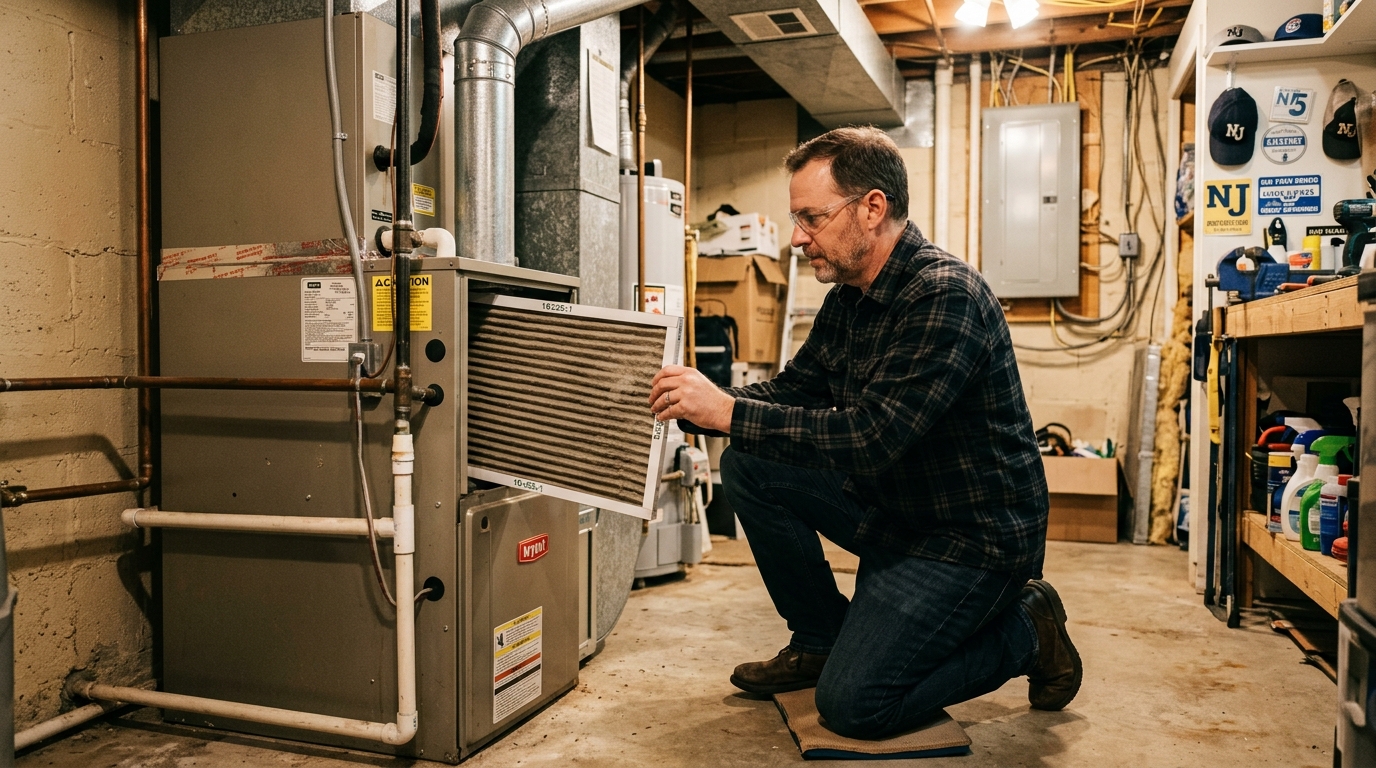
- Monthly Air Filter Replacement: Use MERV 8-11 filters for optimal airflow and filtration.
- Visual Inspections: Check for unusual noises, leaks around indoor unit, or error codes on thermostat.
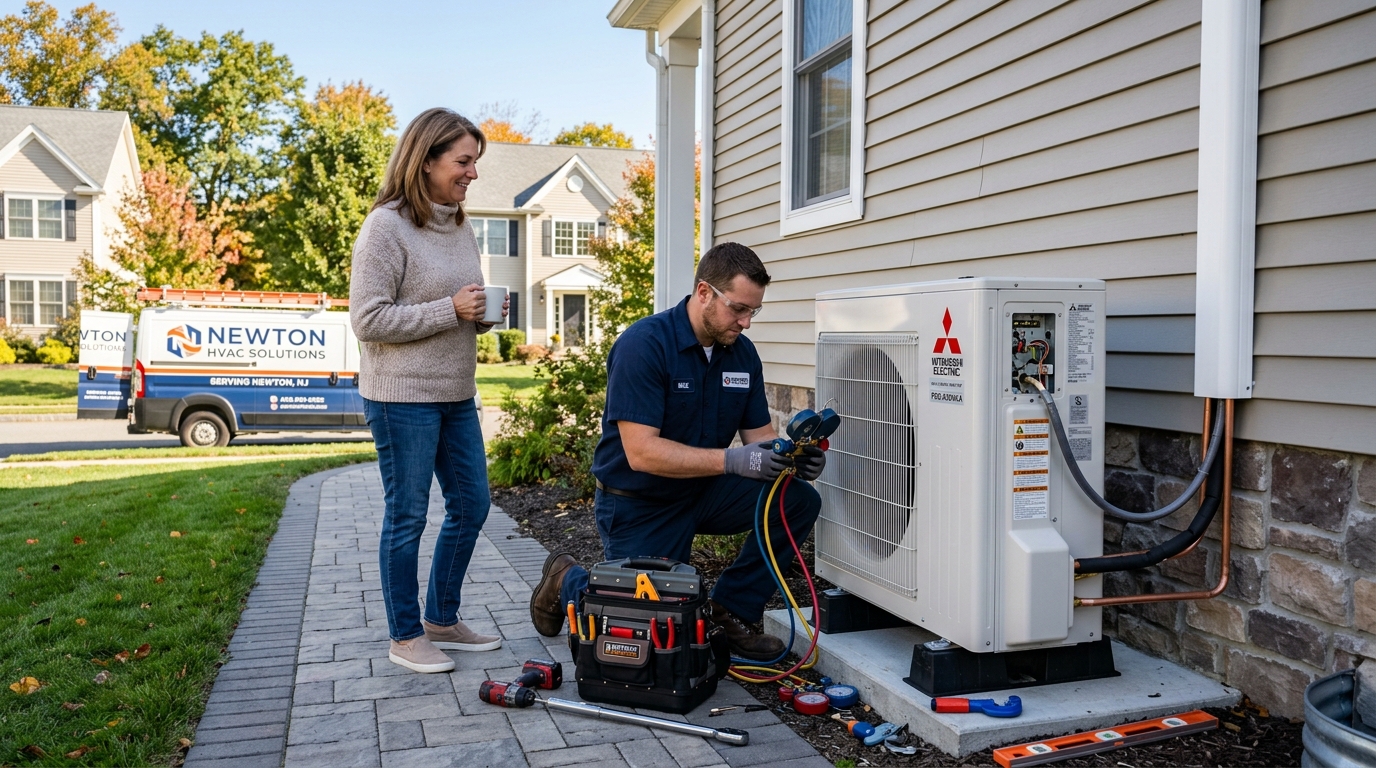
- Clear Outdoor Unit Area: Maintain 2-3 feet clearance around above-ground components.
- Thermostat Programming: Set appropriate schedules for energy savings.
- Condensate Drain Maintenance: Pour diluted vinegar monthly to prevent algae growth.
Professional Maintenance Requirements:
- Refrigerant Handling: EPA certification required for any refrigerant work.
- Electrical System Testing: 240-volt components require licensed electrician inspection.
- Ground Loop Pressure Testing: Specialized equipment needed for closed-loop systems.
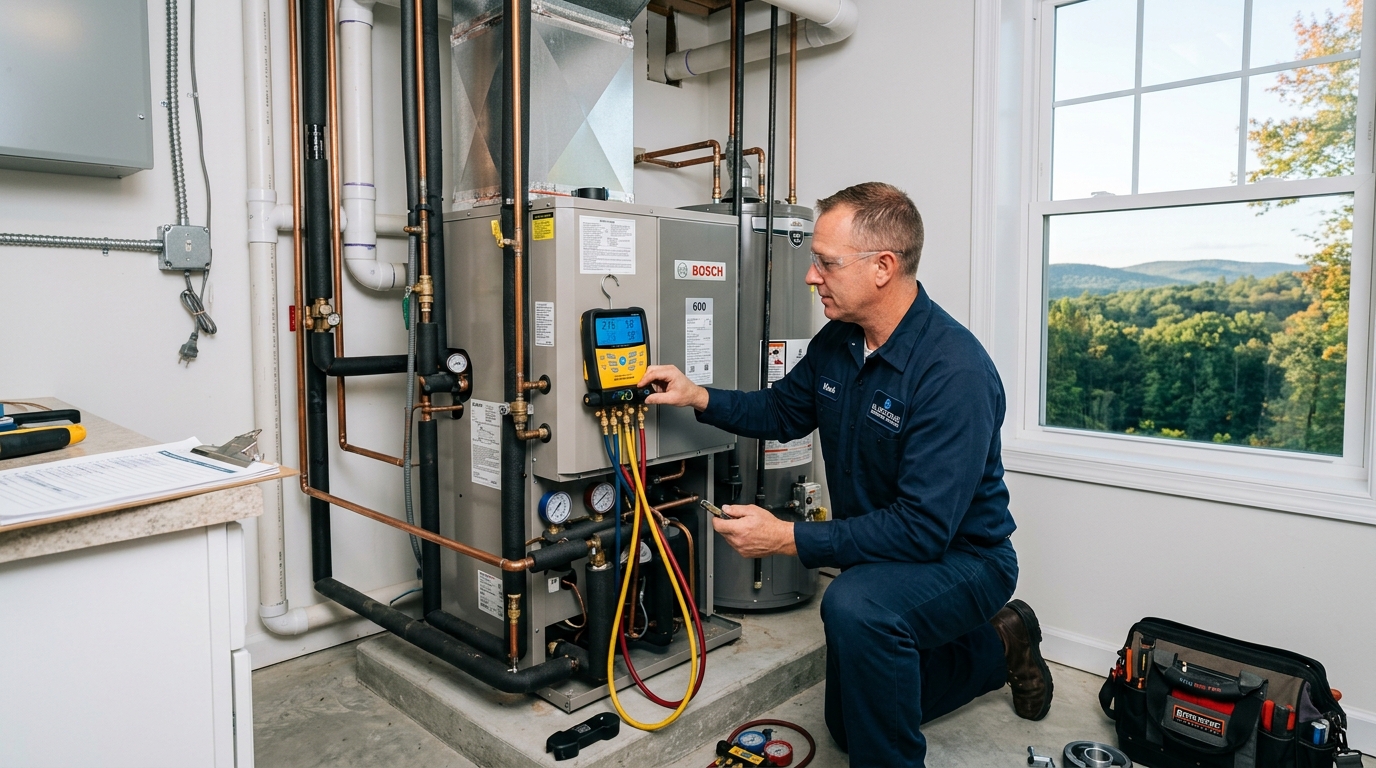
- Heat Pump Calibration: Precision adjustments to optimize COP (Coefficient of Performance).
- Warranty Documentation: Professional service records required for warranty claims.
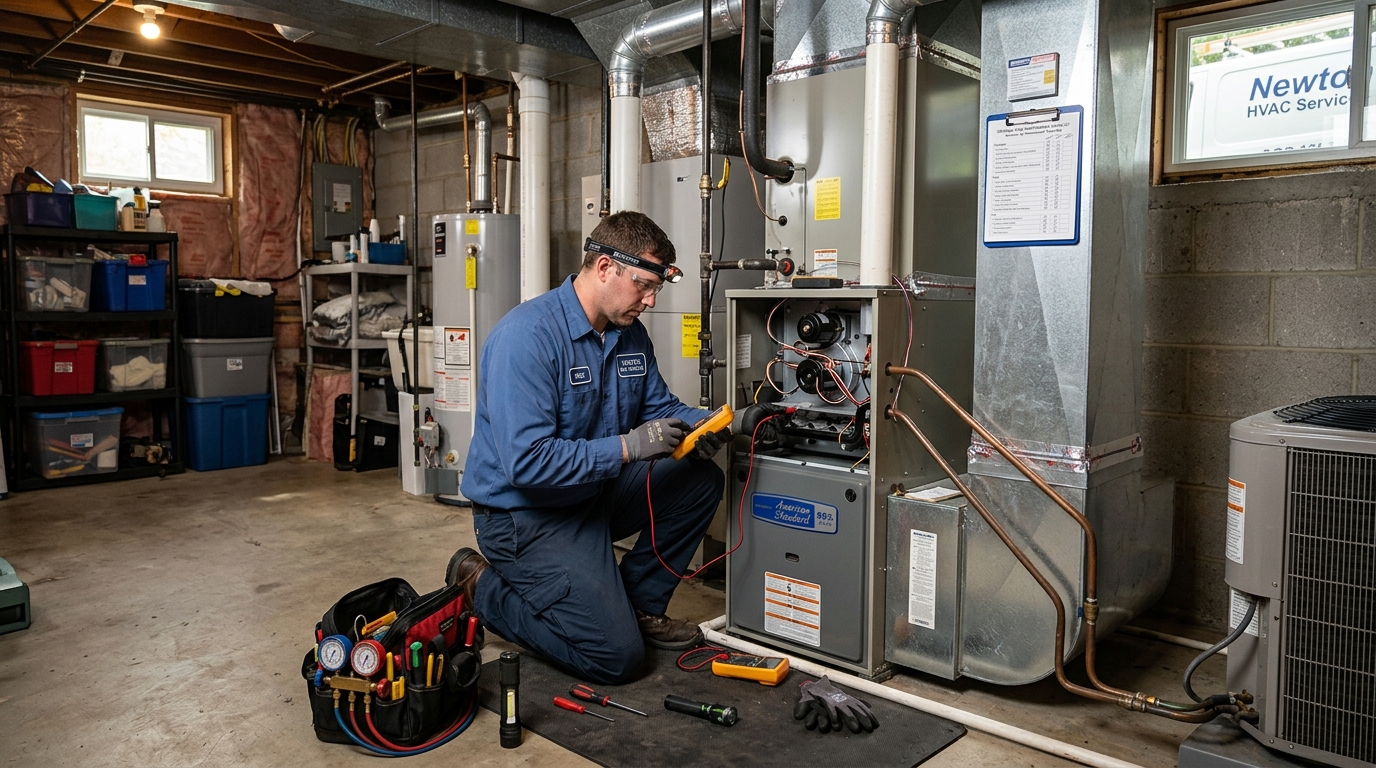
“Geothermal systems combine plumbing, electrical, and refrigeration technologies,” explains James Reilly of Constant Air Service. “While homeowners can handle basic filter changes, the complex interactions between components require trained technicians. We often discover minor issues during maintenance that would become major repairs if left unaddressed.”
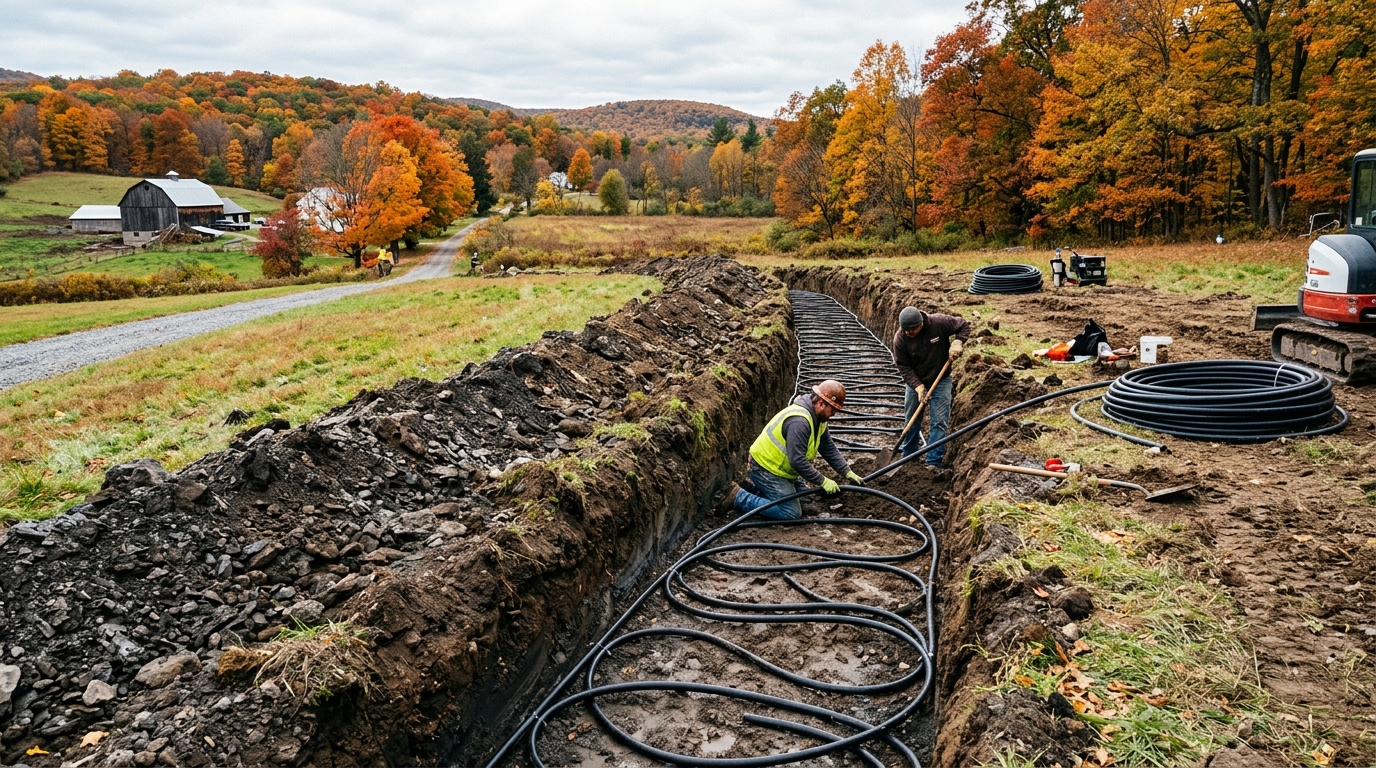
Common Geothermal System Issues in Sussex County
Several region-specific challenges affect geothermal systems in our area:
Hard Water Mineral Buildup: Sussex County’s well water often contains high mineral content. In open-loop systems, this can lead to scaling in heat exchangers, reducing efficiency by 15-30% annually. Professional descaling treatments and water softener installation may be recommended.
Ground Loop Freeze Protection: While closed-loop systems use antifreeze solutions, improper mixtures can freeze during Sussex County’s sub-zero winter nights. Annual testing ensures adequate freeze protection down to -20°F.
Heat Pump Defrost Cycle Issues: During humid winter conditions, the outdoor unit may ice over. Malfunctioning defrost cycles reduce heating capacity and increase energy consumption by up to 25%.
Electrical Surge Damage: Sussex County experiences frequent thunderstorms. Unprotected geothermal controls can suffer damage from power surges, leading to expensive control board replacements.
Loop System Air Purging: Air trapped in closed-loop systems reduces heat transfer efficiency. Professional purging removes air pockets that homeowners might not detect until efficiency drops noticeably.
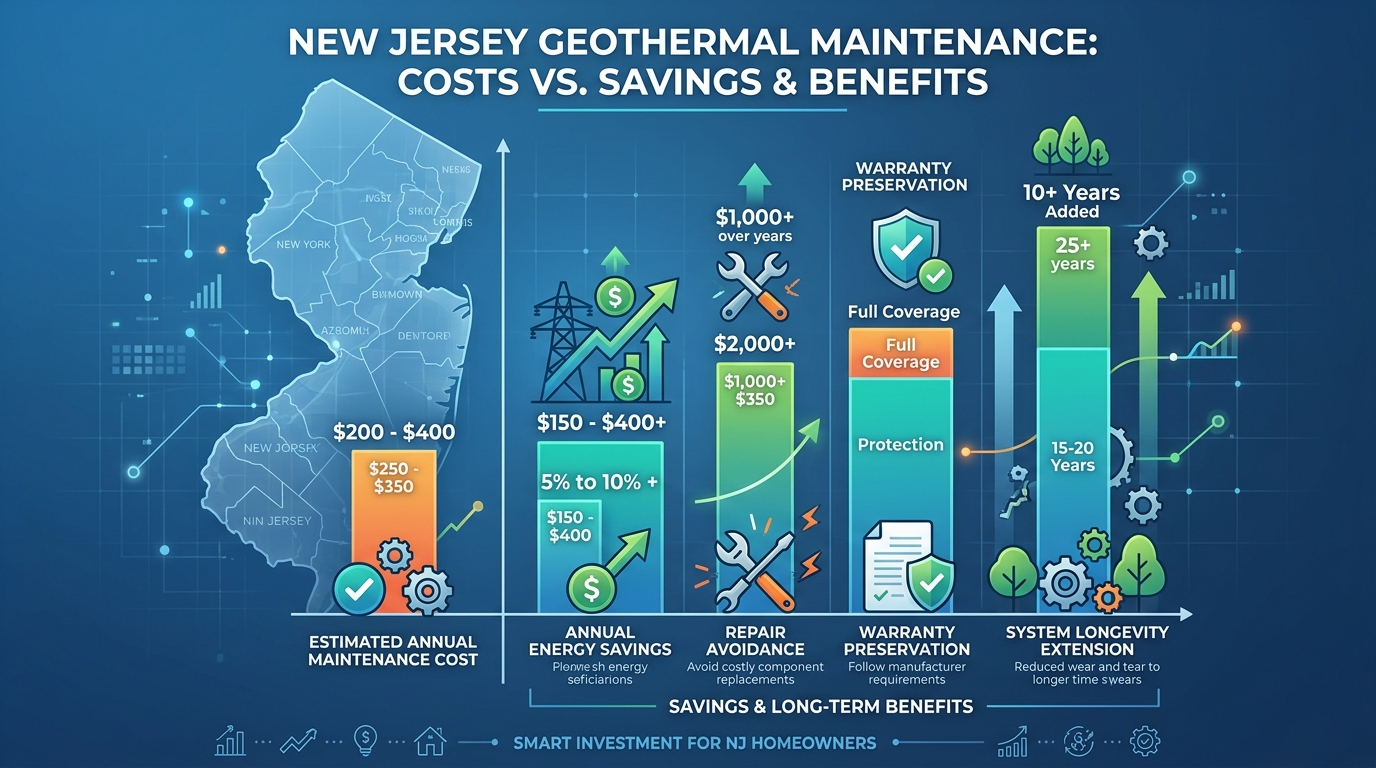
Cost of Geothermal Maintenance in New Jersey
Professional geothermal maintenance in Sussex County typically costs $200-$400 annually, depending on system type and additional services required. This investment provides significant returns:
- Energy Savings: Proper maintenance preserves 5-10% annual energy savings versus neglected systems.
- Repair Avoidance: Catching minor issues early prevents $1,000+ repairs.
- Warranty Preservation: Maintains coverage for components costing $2,000-$8,000 to replace.
- Longevity Extension: Adds 5-10 years to system life, delaying $20,000+ replacement costs.
Many Sussex County homeowners opt for annual maintenance contracts ($250-$350/year) that include priority service, discounted repairs, and scheduled maintenance visits. These contracts often pay for themselves through energy savings alone.
Local NJ Incentives for Geothermal Maintenance
New Jersey offers several programs that reduce geothermal maintenance costs:
NJ Clean Energy Program: Offers rebates for maintenance that improves system efficiency, particularly when combined with other energy upgrades.
Residential Geothermal Tax Credit: Federal tax credit of 30% of maintenance costs for systems meeting efficiency standards (IRS Form 5695).
NJ Sales Tax Exemption: Geothermal maintenance services are exempt from New Jersey’s 6.625% sales tax.
Utility Company Rebates: Sussex County residents served by NJNG, JCP&L, or other utilities may qualify for rebates on maintenance that verifiably improves efficiency.
Property Tax Exemption: Some Sussex County municipalities exempt geothermal systems from property tax assessments, indirectly reducing ownership costs.
Constant Air Service helps Sussex County homeowners navigate these incentive programs, ensuring they maximize available savings while maintaining optimal system performance.
Conclusion & Next Steps
Regular geothermal maintenance is essential for Sussex County homeowners to protect their investment, maintain energy efficiency, and ensure reliable comfort year-round. With proper care, geothermal systems deliver decades of efficient service while reducing environmental impact and energy costs.
If you own a geothermal system in Newton, Sparta, Vernon, or anywhere in Sussex County, schedule professional maintenance before each heating and cooling season. Early detection of minor issues prevents major repairs and maintains peak efficiency.
Ready to optimize your geothermal system’s performance? Contact Constant Air Service today at (973) 579-0182 to schedule comprehensive geothermal maintenance. Our certified technicians specialize in geothermal systems and understand the unique challenges of Sussex County’s climate and water conditions. We’ll ensure your system operates at peak efficiency while helping you take advantage of available New Jersey incentives.
Don’t wait for a breakdown—proactive maintenance keeps your geothermal system running smoothly for decades to come. Call Constant Air Service now or visit our Newton office to discuss your geothermal maintenance needs.