Introduction
For reliable Test HVAC Service Page, contact Constant Air Service today.
When your furnace fails during a Sussex County winter, every minute counts. This guide walks you through immediate steps to take, when to call for emergency furnace repair, and what to expect from professional services.
Sussex County winters can be brutally cold, with temperatures often dipping below freezing. When your furnace stops working unexpectedly, it’s not just an inconvenience—it’s a potential safety hazard. Frozen pipes, hypothermia risks, and expensive emergency repairs can all result from delayed action. This comprehensive guide provides Sussex County homeowners with a clear action plan for furnace emergencies.
Common Emergency Furnace Problems
For reliable AC Repair in Mine Hill, NJ, contact Constant Air Service today.
Identify the most frequent furnace failures in older Sussex County homes: pilot light issues, thermostat malfunctions, dirty filters, blower motor failures, and heat exchanger cracks.
In our experience serving hundreds of Sussex County homes, we’ve identified these frequent furnace failures:
- Pilot Light or Ignition Issues – The most common cause of no heat, especially in older furnaces. The pilot light may be out, or the electronic igniter may have failed.
- Thermostat Malfunctions – Faulty wiring, dead batteries, or calibration problems can prevent the furnace from receiving the “turn on” signal.
- Dirty or Clogged Air Filters – Restricted airflow causes the furnace to overheat and shut down as a safety measure.
- Blower Motor Failures – The motor that circulates warm air can wear out, especially in systems that run constantly during cold spells.
- Heat Exchanger Cracks – A serious safety issue that can leak carbon monoxide into your home. Requires immediate professional attention.
Immediate Steps When Your Heat Goes Out
Safety-first checklist: check thermostat settings, inspect circuit breakers, verify gas supply, examine air filters, and look for visible damage or leaks.
Follow this safety-first checklist before calling for help:
- Check Thermostat Settings – Ensure it’s set to “Heat” and the temperature is at least 5 degrees above room temperature.
- Inspect Circuit Breakers – Look for tripped breakers in your electrical panel. Reset if necessary.
- Verify Gas Supply – If you have a gas furnace, check that the gas valve is open and other gas appliances are working.
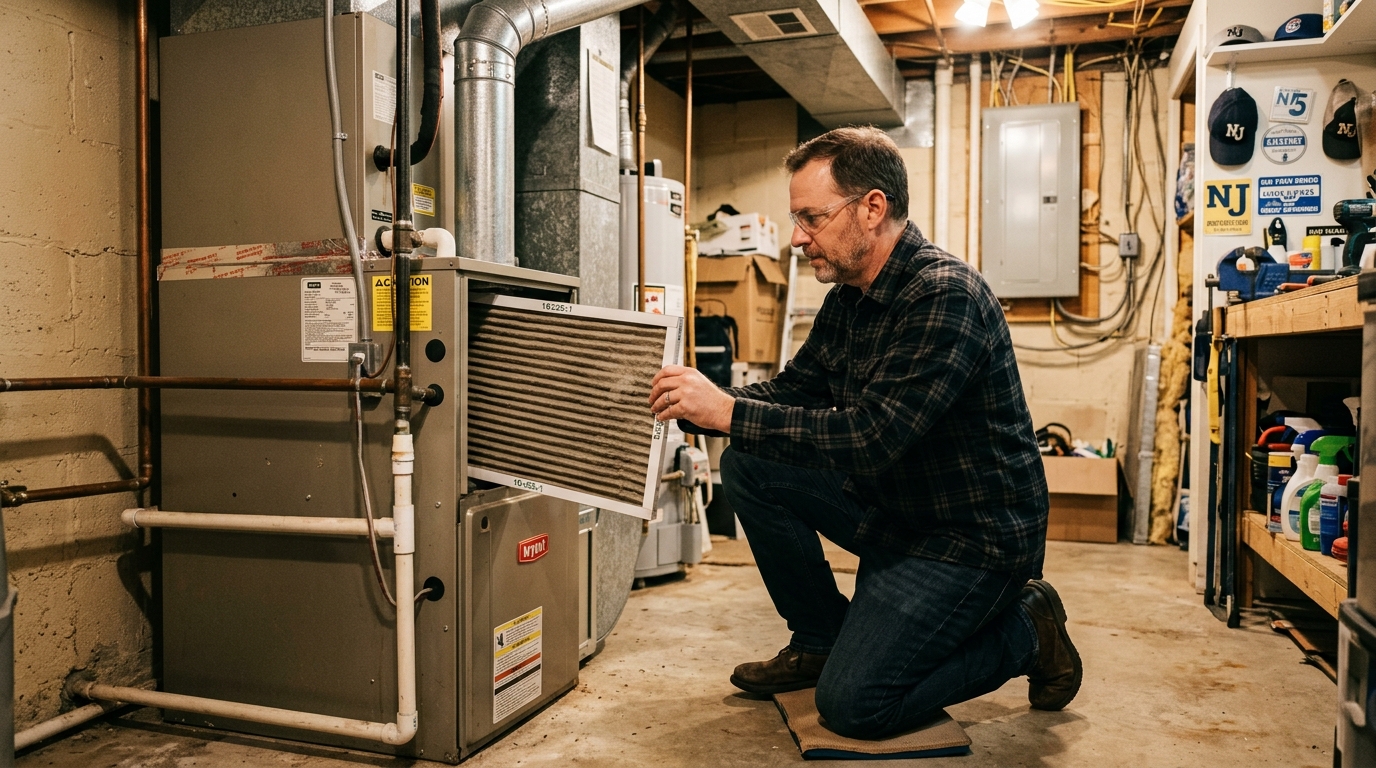
- Examine Air Filters – Remove and inspect filters. Replace if visibly dirty or clogged.
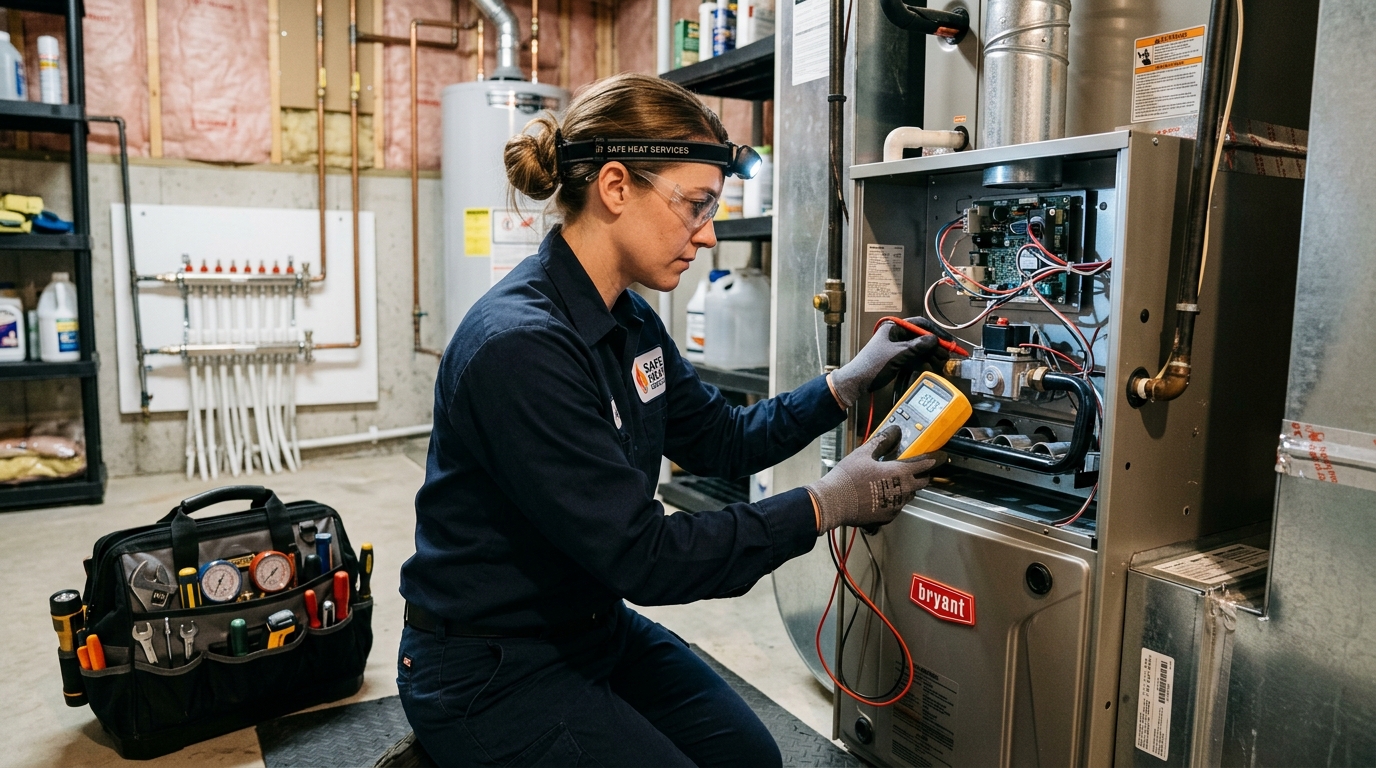
- Look for Visible Damage – Check for disconnected wires, unusual sounds, or burning smells near the furnace.
DIY Troubleshooting vs Professional Repair
Which problems you can safely address yourself versus those requiring licensed HVAC technicians, especially for gas furnaces where carbon monoxide risks exist.
When to Call for Emergency Furnace Repair
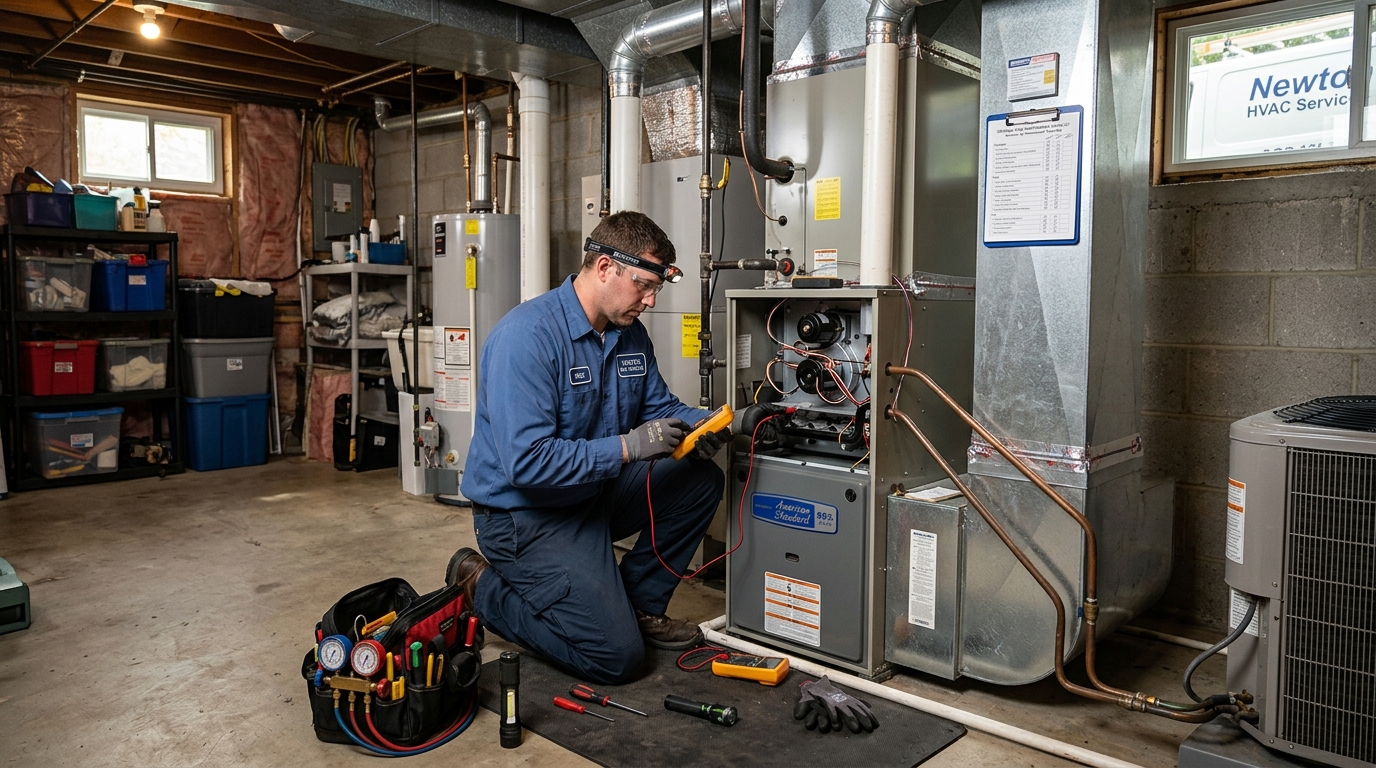
Clear red flags: strange odors (especially gas or burning), unusual noises, frequent cycling, cold air blowing, and no heat despite all checks.
The Emergency Service Process with Constant Air
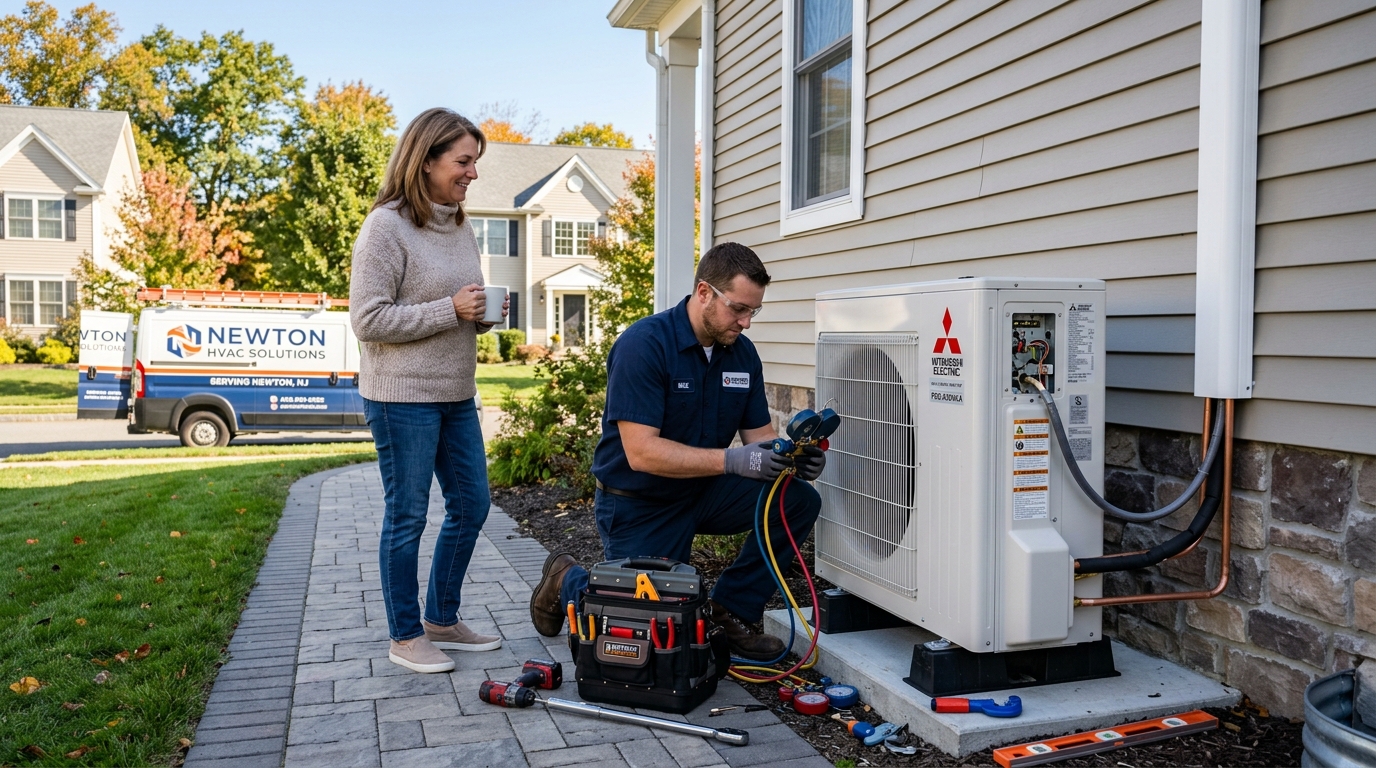
What happens when you call: 24/7 dispatch, diagnostic arrival, transparent pricing, repair vs replace assessment, and same-day service guarantee.
Cost of Emergency Furnace Repair in Sussex County
Typical price ranges for common repairs: ignitor replacement, blower motor repair, heat exchanger issues, and control board failures.
Emergency furnace repair costs vary based on the problem, time of day, and parts needed. Here are typical ranges for Sussex County:
- Ignitor Replacement: $150-$400 – One of the most common repairs for older furnaces.
- Blower Motor Repair/Replacement: $300-$800 – More expensive if the entire motor assembly needs replacement.
- Control Board Replacement: $400-$900 – The “brain” of modern furnaces; requires professional installation.
- Heat Exchanger Issues: $1,200-$2,500+ – Often requires full furnace replacement if the heat exchanger is cracked.
- Emergency Service Call Fee: $99-$150 – Standard after-hours diagnostic fee in Sussex County.
At Constant Air Service, we provide transparent pricing before any work begins and offer financing options for major repairs.
Preventing Future Furnace Emergencies
Seasonal maintenance checklist, filter replacement schedule, duct cleaning recommendations, and annual professional tune-ups.
Proactive maintenance is the best defense against emergency furnace repairs. Follow this seasonal checklist:
- Monthly: Check and replace air filters as needed (more often with pets or allergies).
- Seasonal: Before winter, test your furnace by turning on heat for 15 minutes. Listen for unusual noises.
- Annual: Schedule professional furnace maintenance each fall. Our technicians perform 21-point inspections.
- Every 3-5 Years: Have ducts professionally cleaned to maintain airflow and efficiency.
Local Resources and Rebates
Sussex County utility rebates for efficient furnace upgrades, NJ Clean Energy Program incentives, and financing options.
Conclusion
Don’t risk your family’s safety or comfort—know when to call professionals for emergency furnace repair in Sussex County.
Related Services
If you’re experiencing furnace problems, you may also need these related services:
- Furnace Repair in Sussex County NJ – Comprehensive repair services for all furnace types.
- Furnace Replacement in Sussex County, NJ – When repair isn’t cost-effective, we help you choose the right replacement.
- 24/7 Emergency HVAC Repair in Newton NJ – Our complete guide to emergency HVAC services.