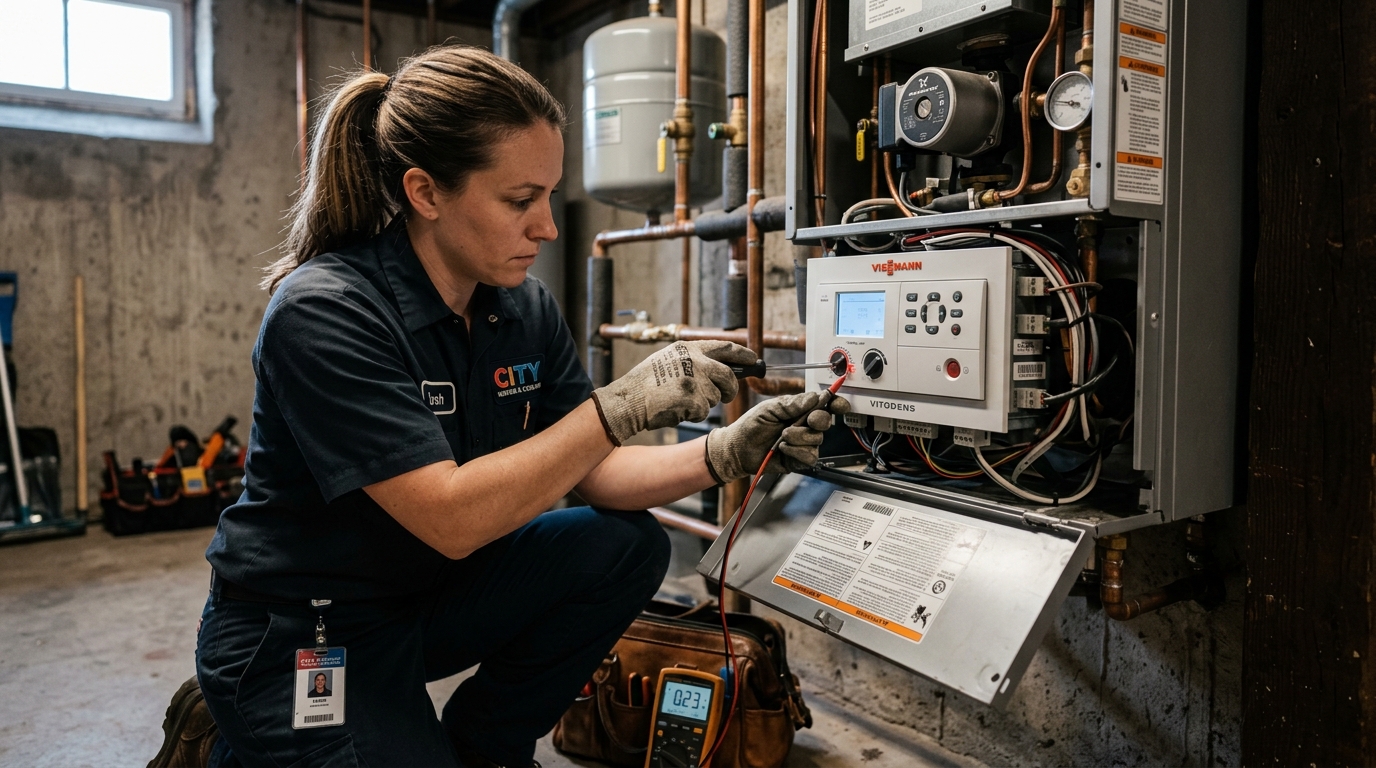
If you’re a homeowner in Sussex County, NJ, understanding your boiler system is crucial for maintaining comfort and efficiency during the cold months. Boilers are a reliable heating solution, but they require proper maintenance, timely repairs, and occasional replacement to keep your home warm and energy bills low. This comprehensive guide covers boiler basics, common problems, repair and installation services, maintenance tips, and when to consider a replacement.
What Is a Boiler and How Does It Work?
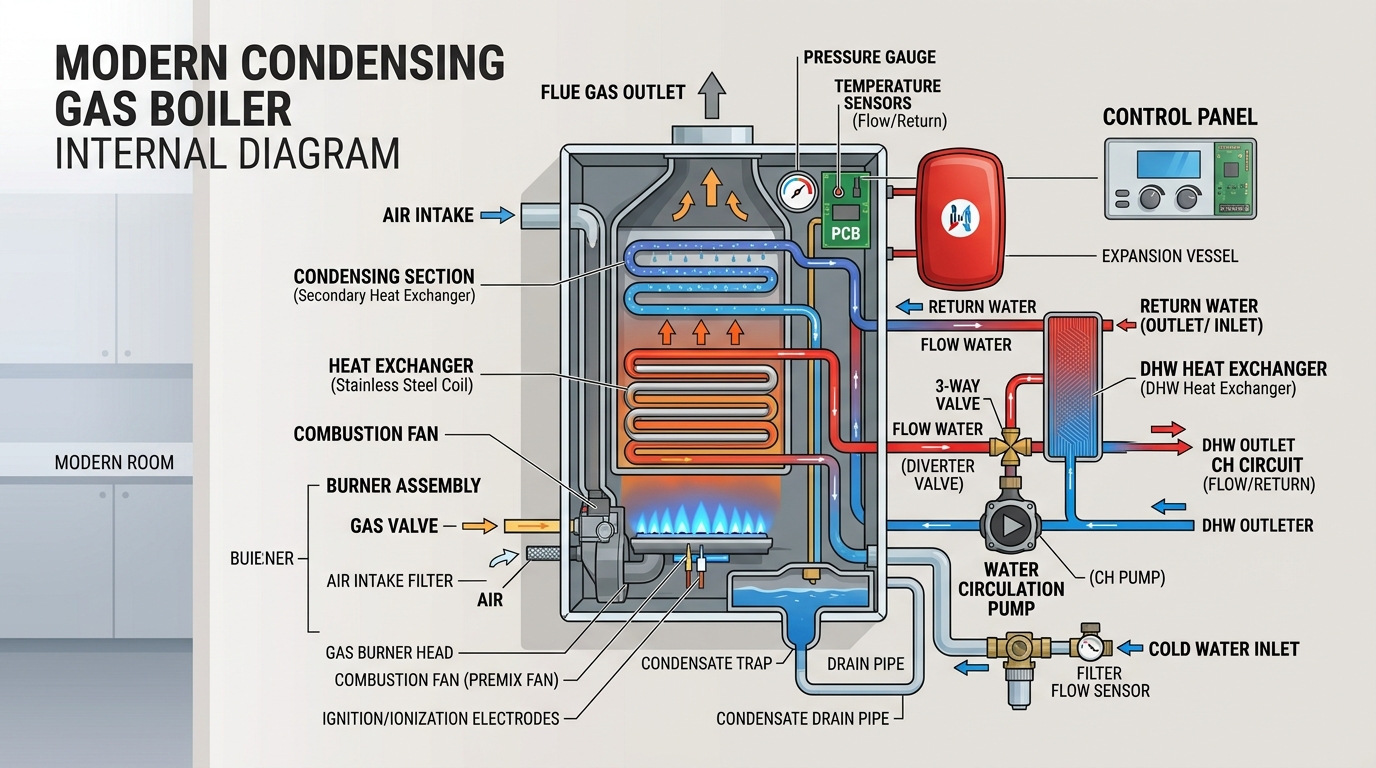
A boiler is a heating system that uses water or steam to distribute heat throughout your home. Unlike furnaces that heat air, boilers heat water and circulate it via pipes to radiators, baseboard heaters, or underfloor tubing. The process begins with the burner heating the water inside the heat exchanger. The hot water or steam then travels through the distribution system, releasing heat into each room before returning to the boiler to be reheated.
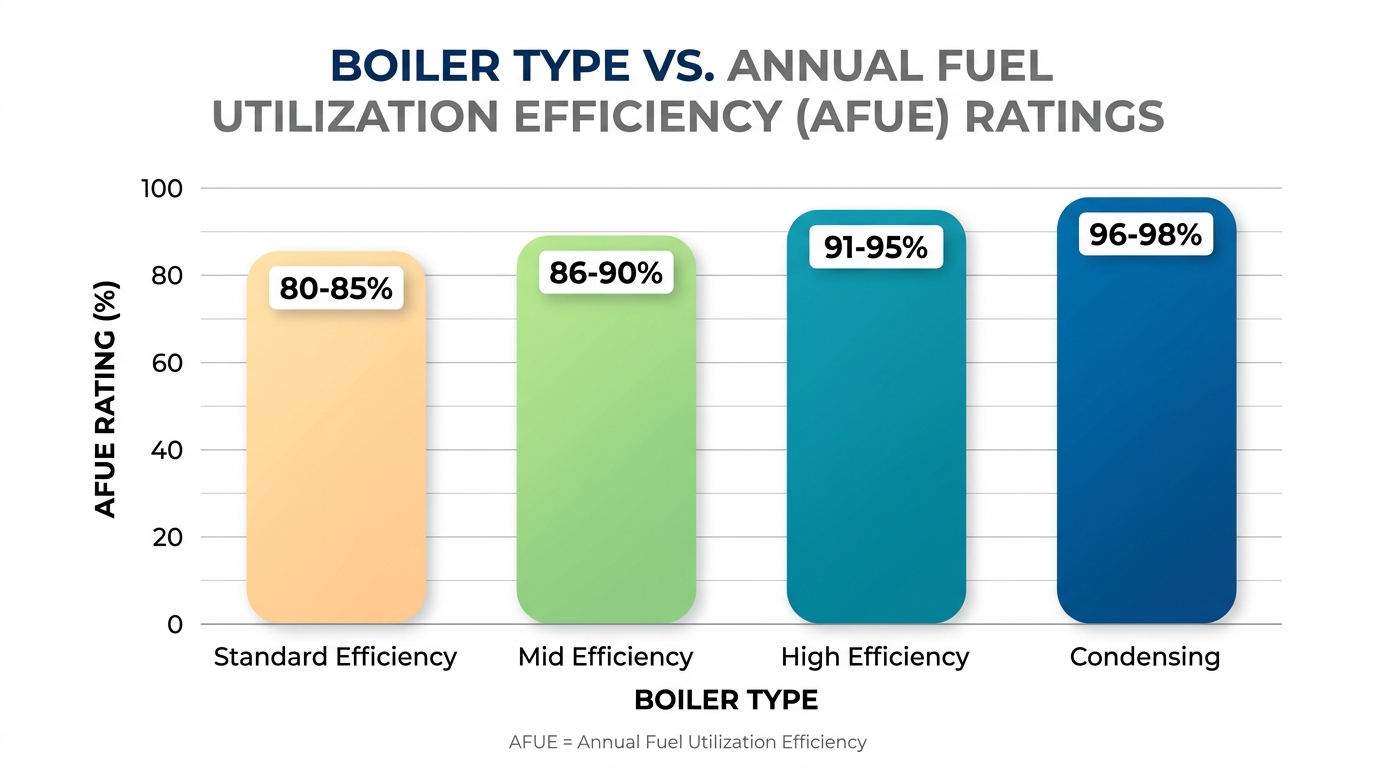
Modern boilers are highly efficient, with AFUE (Annual Fuel Utilization Efficiency) ratings ranging from 80% to over 98%. Condensing boilers capture additional heat from exhaust gases, making them exceptionally efficient. Understanding how your boiler operates helps you identify issues early and communicate effectively with HVAC technicians.
Common Boiler Problems in Sussex County Homes
Sussex County’s cold winters put extra strain on boiler systems. Frequent issues include:
- No heat or inadequate heat – Often caused by thermostat malfunctions, low water pressure, or circulation pump failure.
- Strange noises (kettling, banging, whistling) – Usually due to limescale buildup, air in the system, or failing components.
- Leaks – Corroded pipes, faulty pressure relief valves, or worn seals can lead to water damage.
- Pilot light or ignition problems – Dirty sensors, gas supply issues, or faulty ignition controls can prevent the boiler from firing up.
- Frozen condensate pipes – A common issue during extreme cold snaps that can shut down the boiler entirely.
Early detection and professional repair can prevent minor issues from becoming costly emergencies.
Boiler Repair Services: What to Expect
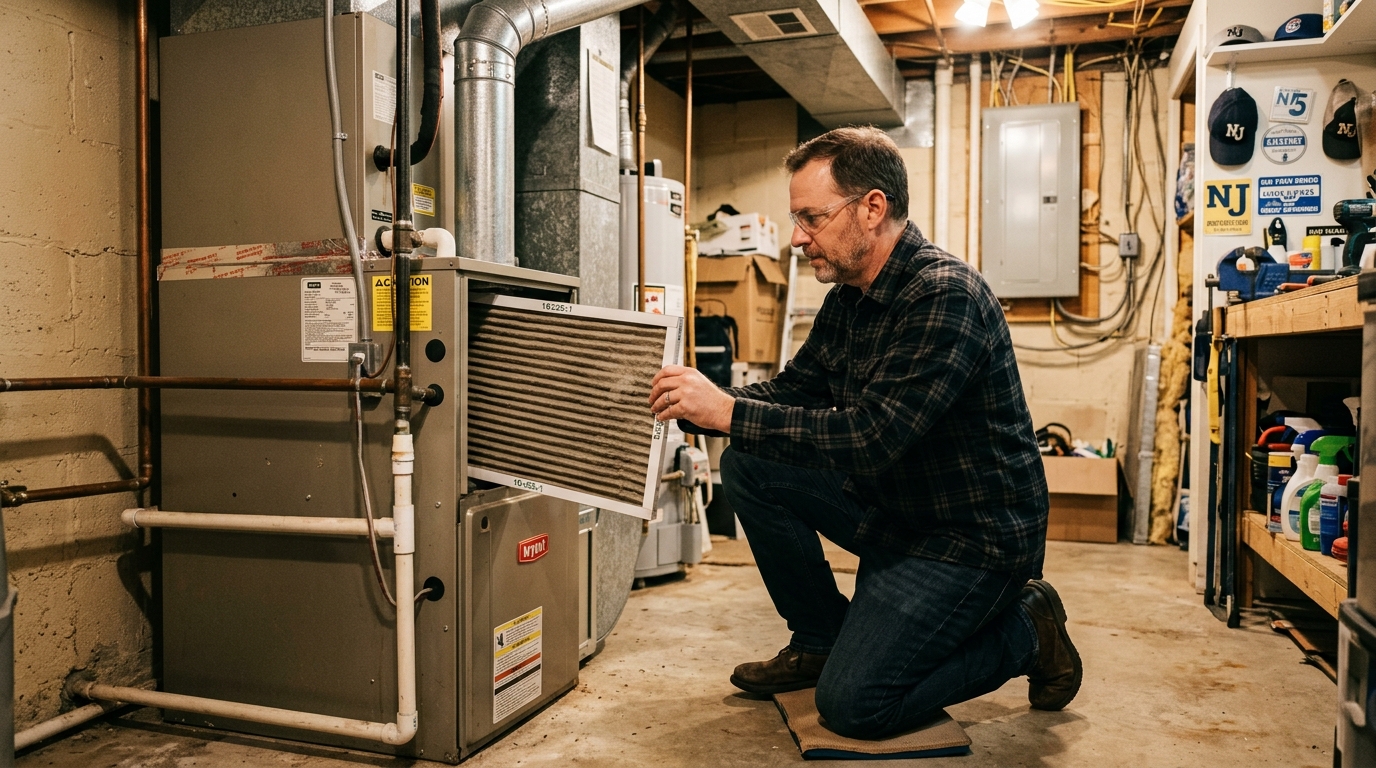
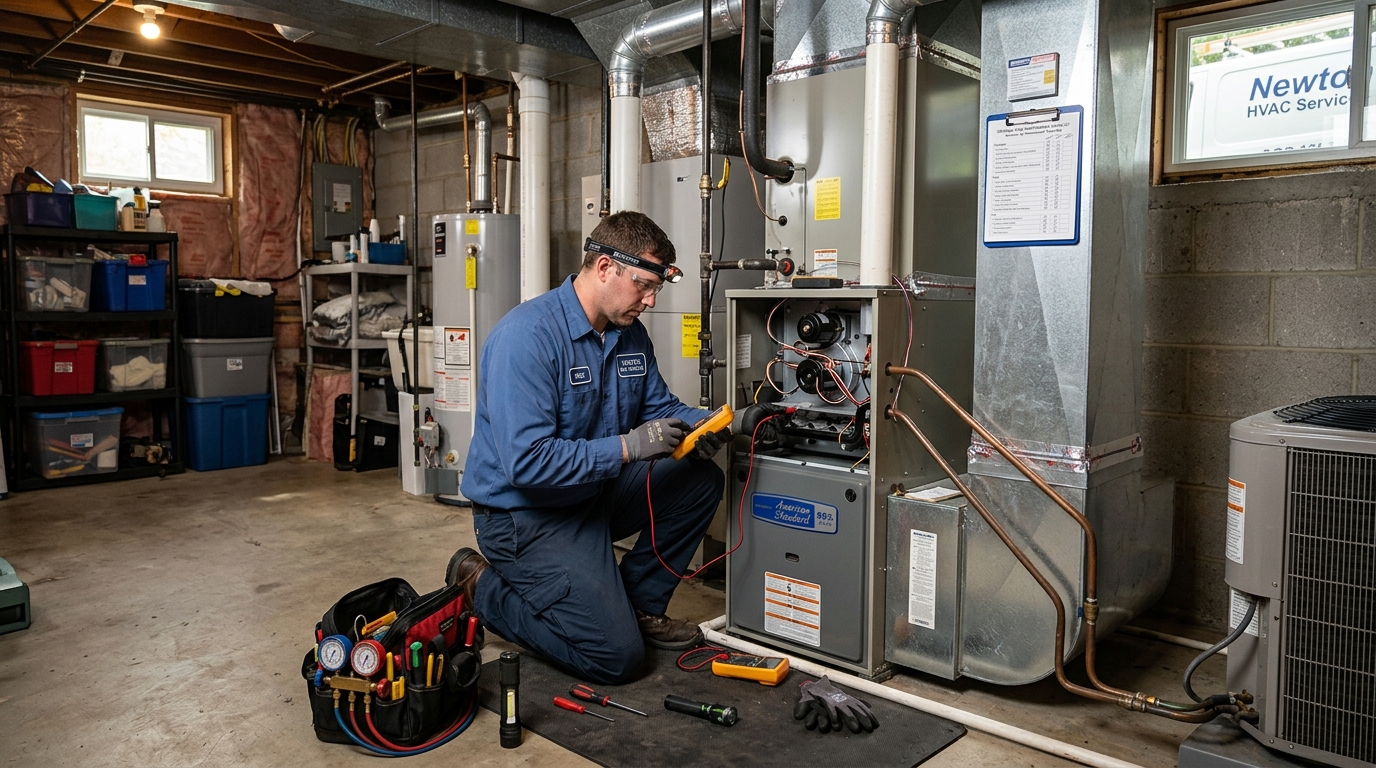
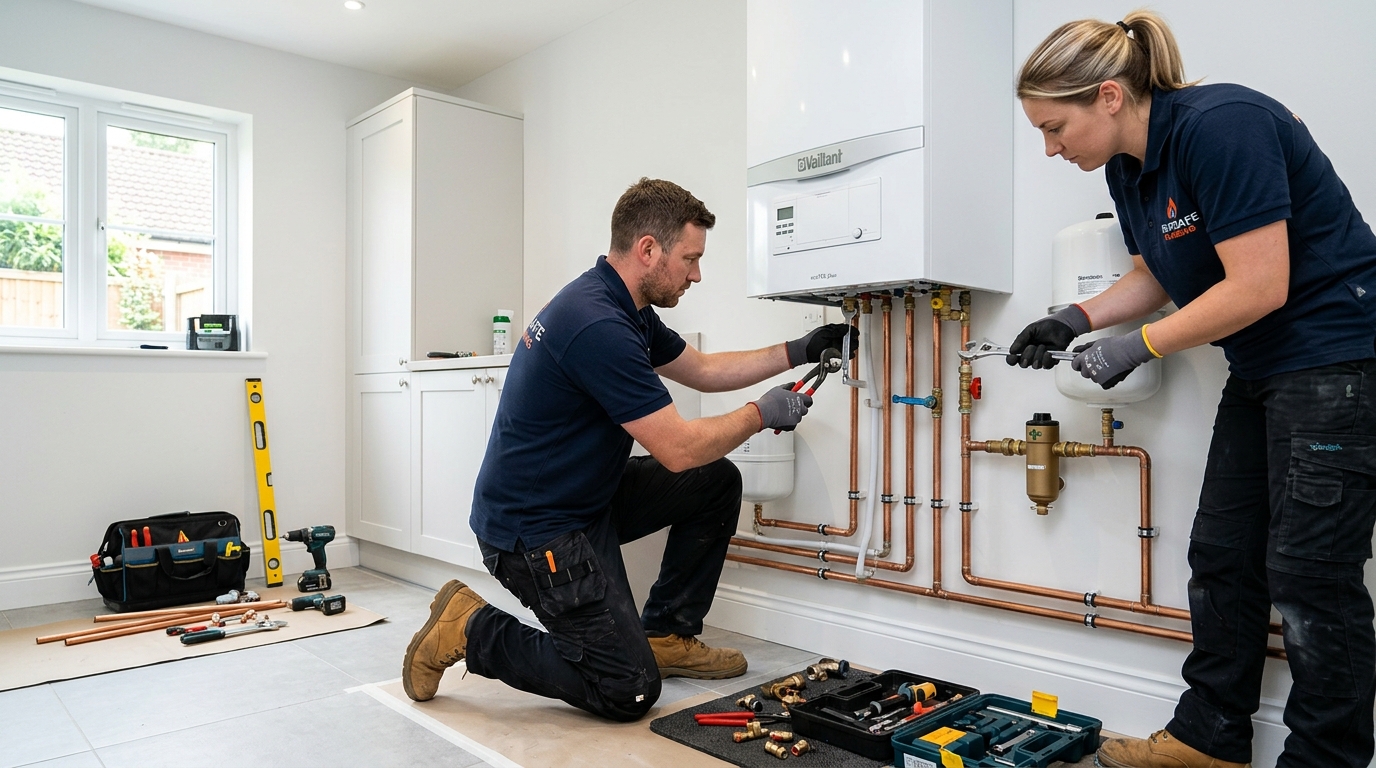
When you call a licensed HVAC technician for furnace repair, they’ll perform a thorough diagnostic to pinpoint the issue. Typical repair steps include:
- Inspection and testing – Checking pressure levels, thermostat calibration, ignition system, and heat exchanger integrity.
- Component replacement – Swapping out faulty parts such as circulator pumps, pressure relief valves, or expansion tanks.
- System flushing – Removing sludge and mineral deposits that reduce efficiency.
- Leak repair – Sealing or replacing leaking pipes, valves, or connections.
- Safety verification – Ensuring carbon monoxide detectors are functional and the boiler vents properly.
Repair costs vary based on the issue, but investing in professional repairs extends your boiler’s lifespan and prevents unsafe conditions.
Boiler Installation: Choosing the Right System
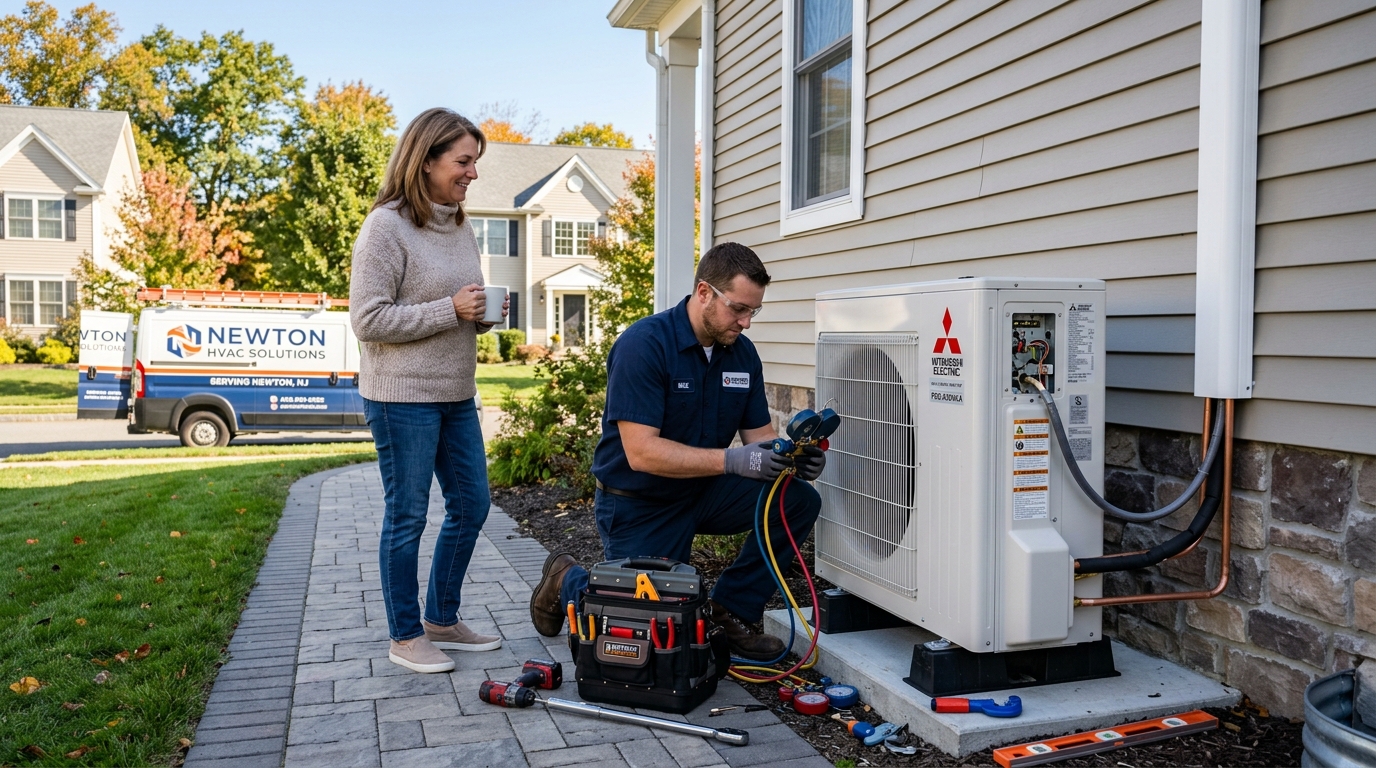
If your boiler is beyond repair or excessively inefficient, installation of a new unit may be the best option. Key factors to consider:
- Fuel type – Natural gas, propane, oil, or electric boilers each have different operating costs and availability in Sussex County.
- Efficiency rating – Look for high AFUE ratings (90%+) to reduce energy bills.
- Size and output – An oversized boiler cycles too frequently, wasting energy; an undersized one struggles to keep up. A load calculation ensures proper sizing.
- Features – Modulating burners, outdoor reset controls, and compatibility with smart thermostats improve comfort and efficiency.
Professional installation includes proper venting, water treatment, and system balancing to maximize performance.
Boiler Maintenance Tips for Longevity
Regular maintenance keeps your boiler running safely and efficiently. Homeowners can:
- Check pressure gauges monthly – Maintain pressure between 12–15 psi.
- Bleed radiators annually – Remove air pockets to ensure even heat distribution.
- Inspect for leaks and corrosion – Look around pipes, valves, and the boiler base.
- Keep vents and flues clear – Ensure no obstructions block exhaust pathways.
- Schedule professional annual tune‑ups – A licensed technician will clean components, test safety devices, and optimize combustion.
Annual maintenance contracts often include priority service and discounts on repairs.
When to Replace Your Boiler
Consider replacement if your boiler:
- Is over 15–20 years old (average lifespan).
- Requires frequent, costly repairs.
- Has an AFUE rating below 80%.
- Produces inconsistent heat or frequent breakdowns.
- Shows signs of rust, cracks, or water leaks around the heat exchanger.
Upgrading to a high‑efficiency model can cut heating bills by 20–30% and improve home comfort.
Conclusion
Your boiler is a critical component of your Sussex County home’s heating system. Understanding how it works, recognizing common problems, and investing in professional repair, installation, and maintenance will ensure reliable warmth and efficiency for years to come. For expert boiler services in Sussex County, contact Constant Air Service today.
Related Services
Constant Air Service provides comprehensive HVAC solutions across Sussex County. Explore our other services:
- Furnace Repair in Newton NJ – Diagnose and fix common furnace issues.
- Professional AC Installation – Ensure efficient cooling with proper installation.
- Common Furnace Repair Problems – Troubleshoot furnace problems.
- AC Not Cooling House – Steps to take before calling a technician.
- Contact Us – Schedule boiler service or any HVAC need.