
When a Sussex County heat wave settles over Newton, Sparta, Andover, or Branchville, your air conditioner may run longer than it does on an ordinary summer day. Some extra run time is normal. But if the system never seems to shut off, the house still feels warm or sticky, or your utility bill spikes, the AC may be struggling for a reason that needs attention.
Constant Air Service helps homeowners throughout Newton and Sussex County diagnose cooling problems before they become emergency breakdowns. Here is how to tell the difference between normal hot-weather operation and signs that your AC needs service.
Is it normal for an AC to run constantly during a heat wave?
It can be normal for your AC to run for long cycles when outdoor temperatures stay in the 90s, especially if the home gets direct afternoon sun or has older insulation. Air conditioners are designed to remove heat gradually. During extreme weather, the system may need longer cycles to maintain the thermostat setting.
The concern starts when the AC runs constantly and still cannot reach the set temperature. For example, if the thermostat is set to 74 degrees but the home stays at 78 or 80 for hours, the system is not keeping up. That points to a performance issue, an airflow restriction, low refrigerant, dirty coils, a thermostat problem, or equipment that is no longer matched to the home’s cooling load.
What should Newton homeowners check first?
Start with the simple items you can safely check without opening equipment panels. Make sure the thermostat is set to cool, the temperature setting is reasonable, and the fan is on auto rather than on. A fan set to “on” can make it feel like the system runs constantly because the blower keeps moving air even when the outdoor unit is not actively cooling.
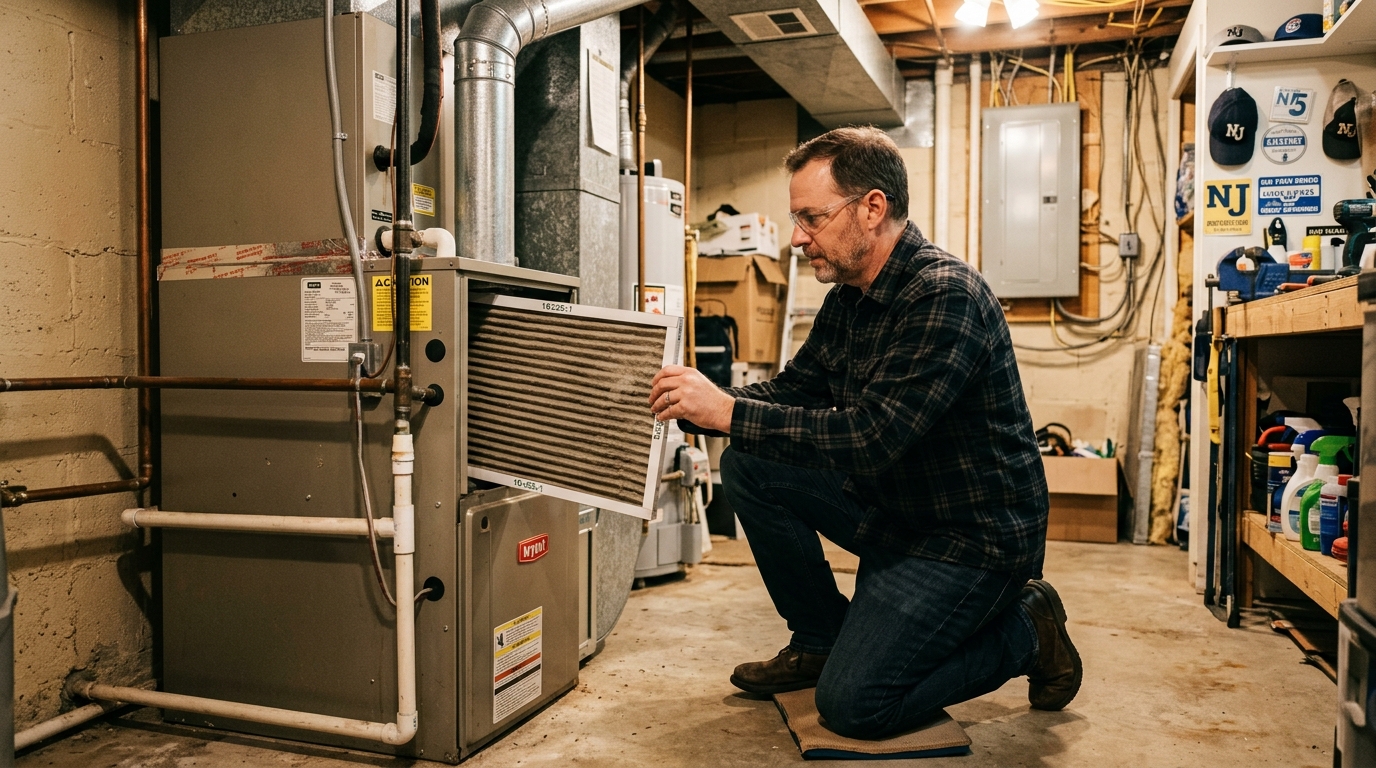
Next, check the air filter. A clogged filter reduces airflow across the indoor coil, which can make the system run longer, cool less effectively, and sometimes freeze up. Also confirm that supply and return vents are open and not blocked by furniture, rugs, or storage. Outside, keep grass, leaves, and shrubs away from the condenser so it can release heat properly.
Could humidity make the house feel warm even when the thermostat looks right?

Yes. In Sussex County, summer comfort is not just about temperature. Humidity can make a home feel warmer than the thermostat reading suggests. A properly operating AC removes moisture as it cools, but short cycling, poor airflow, dirty coils, or an oversized system can leave too much moisture in the air.
If rooms feel clammy, windows sweat, or the air feels heavy even after the AC has been running, the system may not be dehumidifying well. This is one reason “bigger” is not always better for AC replacement. The system needs to be sized and installed for the home, ductwork, insulation, and local conditions—not just square footage.
What AC problems cause nonstop running?
Common causes include restricted airflow, dirty condenser coils, low refrigerant, weak capacitors, failing blower components, leaky ductwork, thermostat errors, and aging equipment. Each problem forces the AC to work harder for less cooling. Over time, that extra strain can turn a repairable issue into a full breakdown.
Low refrigerant is especially important to handle professionally. Refrigerant does not get “used up” like fuel. If the level is low, there may be a leak that needs to be found and repaired. Simply adding refrigerant without diagnosis can leave the same problem waiting to return during the next stretch of hot weather.
When should you call for AC repair instead of waiting?
Call for AC repair in Newton, NJ if the system runs nonstop and the home is not cooling, if warm air is coming from the vents, if ice appears on the refrigerant lines, if the outdoor unit is making unusual noises, or if the breaker trips. You should also schedule service if one part of the home cools normally while another stays hot, because duct or airflow issues may be involved.
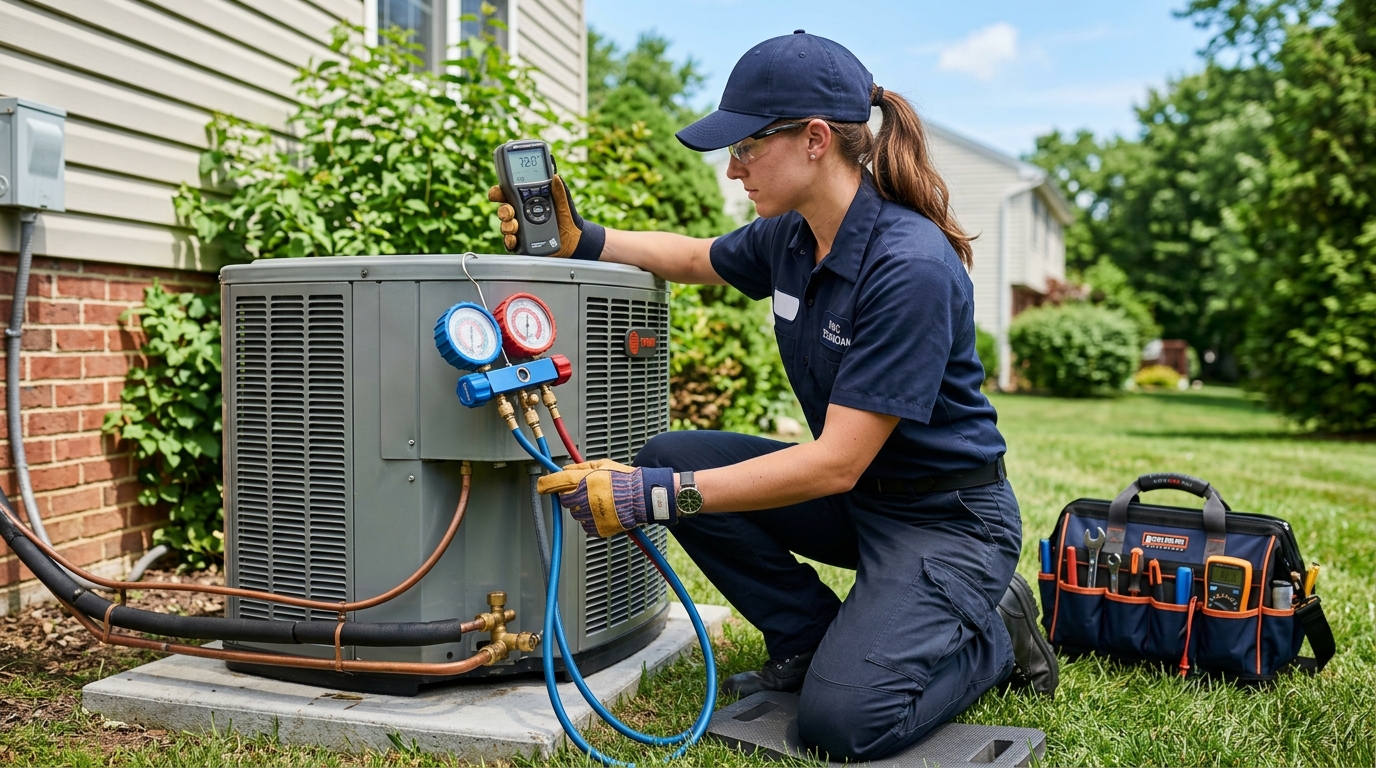
Waiting through a heat wave can be risky. Small issues often become more expensive when the system is forced to run continuously under heavy load. A technician can test temperatures, airflow, electrical components, refrigerant pressures, and coil condition to identify the real cause.
How can maintenance prevent long AC run times?
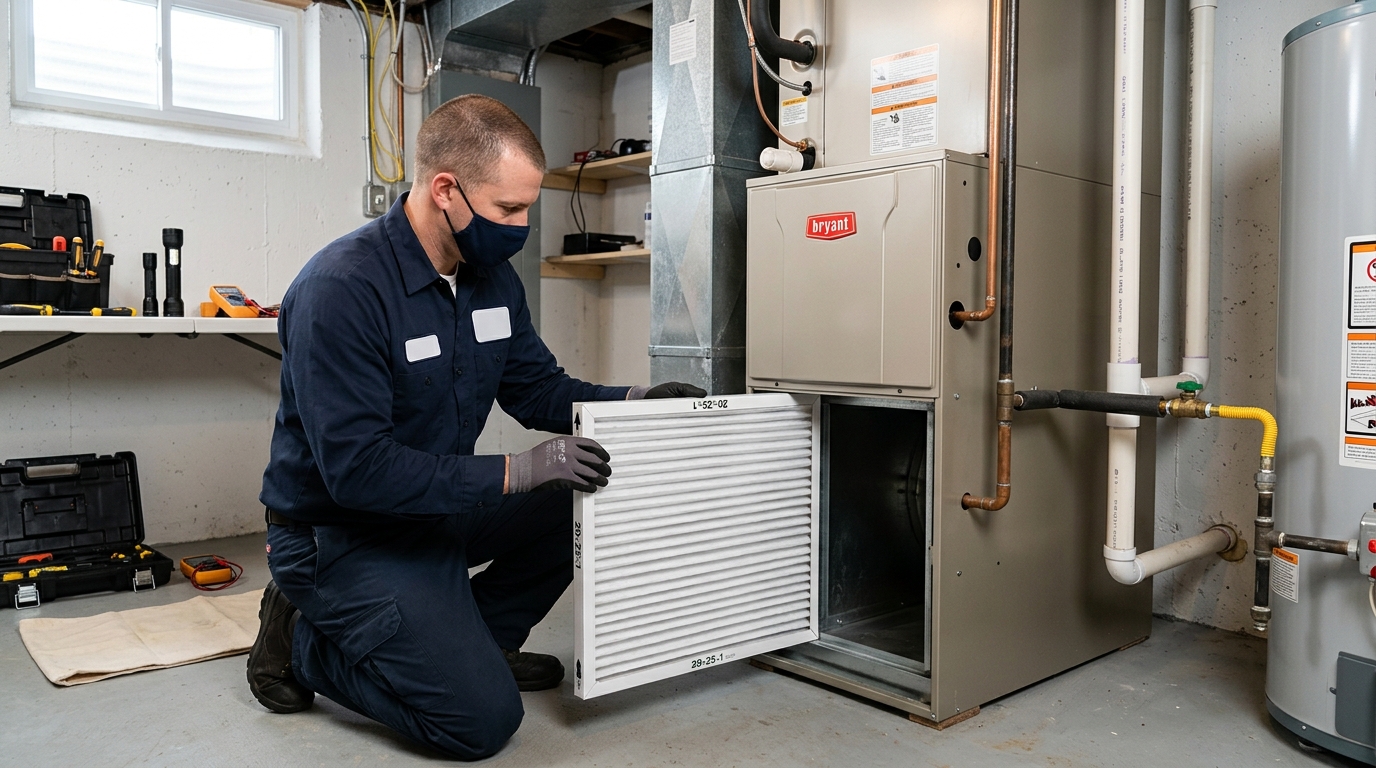
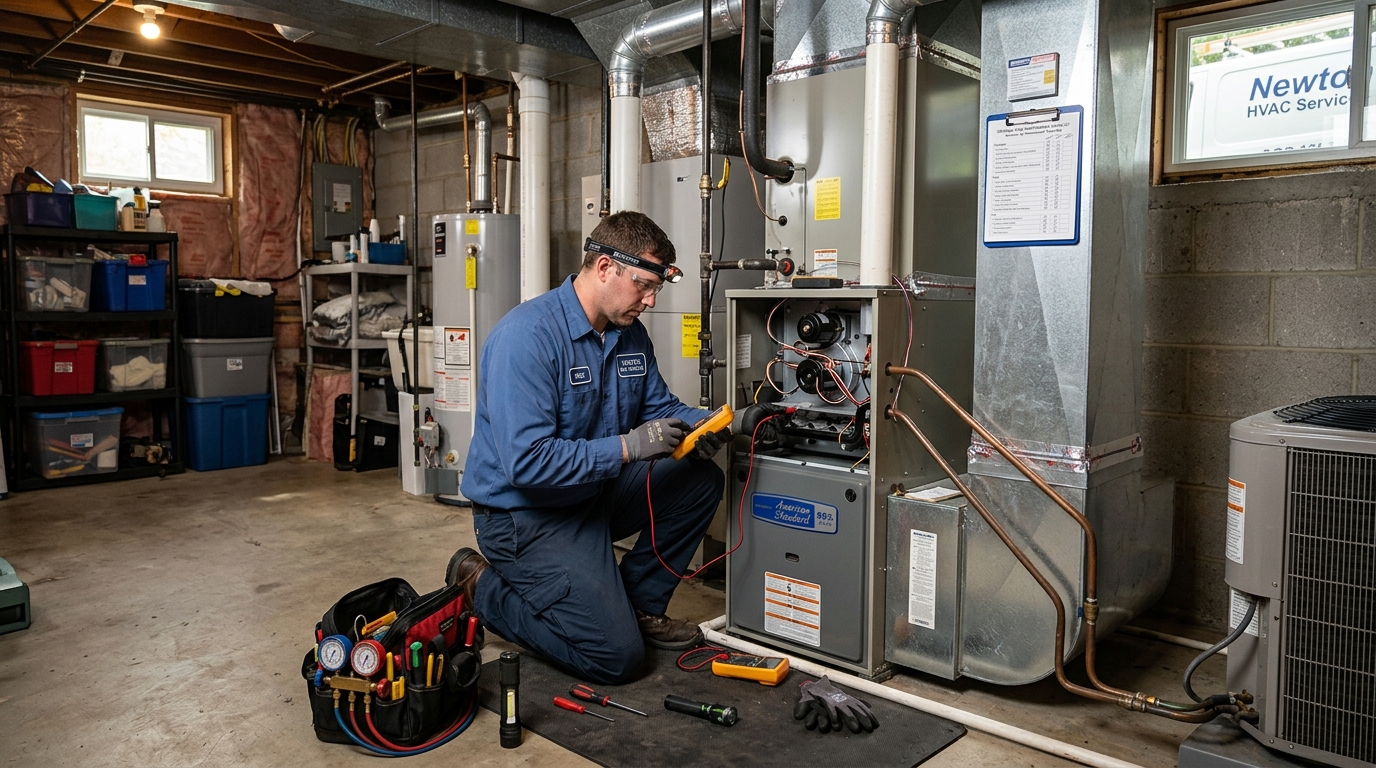
Seasonal maintenance helps the system cool more efficiently before the hottest weather arrives. During a tune-up, a technician can clean and inspect key components, confirm safe electrical operation, check temperature split, look for airflow restrictions, and spot wear before it causes a no-cooling call.
Homeowners can help by replacing filters regularly, keeping the outdoor unit clear, using blinds or curtains during peak sun, and avoiding big thermostat setbacks on very hot days. If the house gets extremely warm, the AC may need hours to recover. A steady, realistic thermostat setting is often more comfortable and less stressful for the equipment.
FAQ: AC running constantly in Sussex County
Should I turn my AC off if it runs all day?
Not automatically. If the AC is cooling and operating normally during extreme heat, long cycles can happen. But if it is blowing warm air, freezing, tripping the breaker, or failing to lower the temperature, turn it off and schedule service.
Can a dirty filter make my AC run constantly?
Yes. A dirty filter restricts airflow, which reduces cooling performance and can cause coil freezing. It is one of the first things to check when the system runs longer than usual.
Is nonstop AC running a sign I need replacement?
Sometimes, but not always. Many nonstop-running complaints are repair or maintenance issues. Replacement becomes more likely when the system is old, repeatedly breaking down, inefficient, or unable to keep up even after proper service.
Need AC help in Newton or Sussex County?
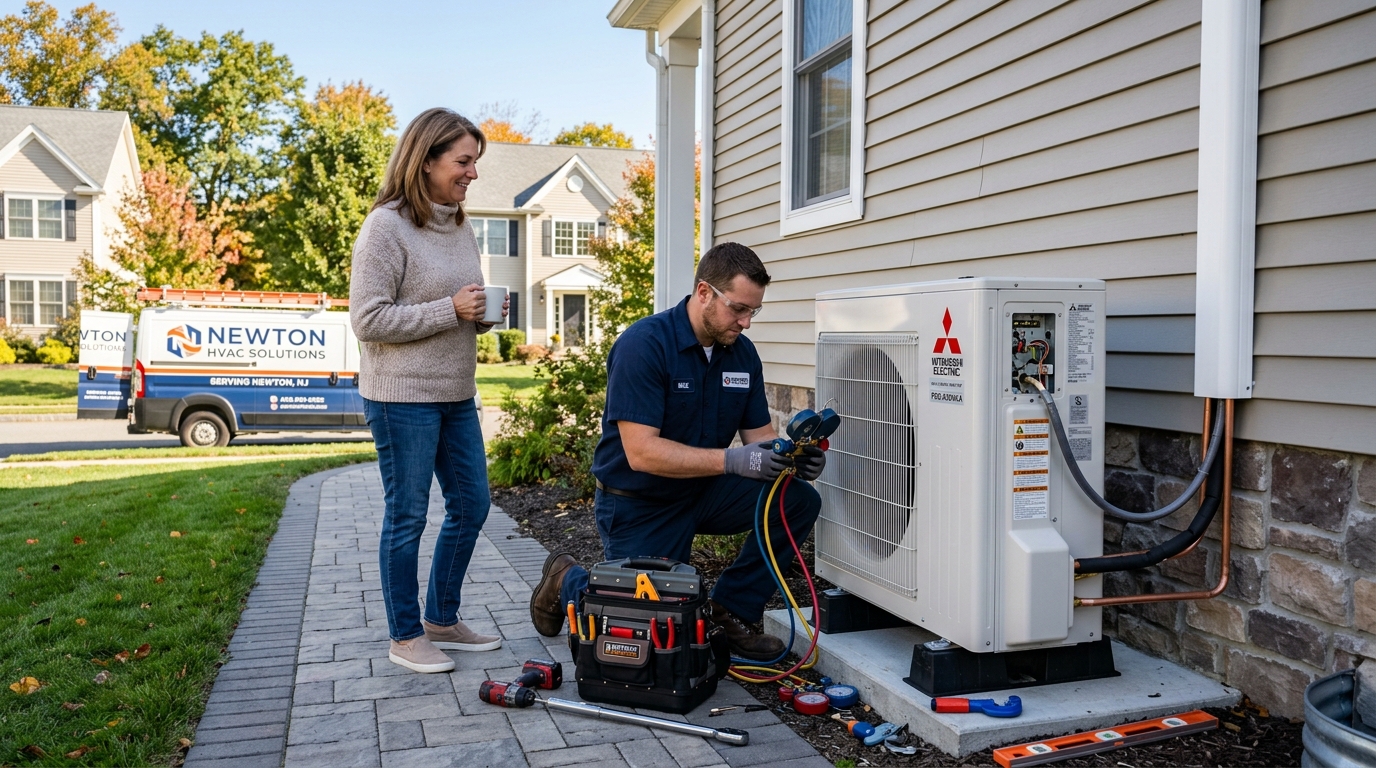
If your AC runs constantly during hot weather, Constant Air Service can help you find out why. Our local team serves Newton and surrounding Sussex County communities with professional cooling diagnostics, repairs, and replacement guidance. Contact Constant Air Service to schedule service before the next heat wave pushes your system even harder.
Furnace Tune-Up & Maintenance in Sussex County, NJ | AC Tune-Up & Maintenance in Sussex County, NJ | HVAC services in HVAC Services in Newton, NJ